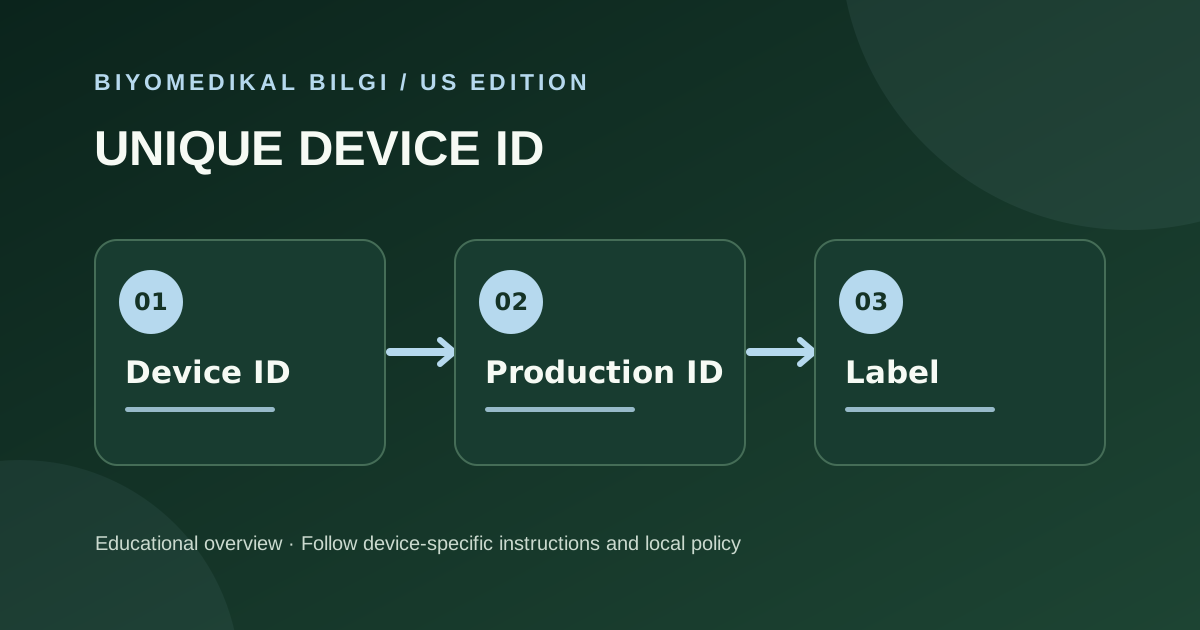
A Unique Device Identifier (UDI) helps identify a medical device. The device identifier (DI) identifies labeler and version or model; the production identifier (PI), when present, carries variable details such as lot, serial number, or expiration date.
Read the two parts correctly
The DI is the mandatory fixed portion. The PI is conditional and can include manufacturing or expiry data. A barcode may encode both. Confusing a model-level DI with an individual serial number can cause a faulty recall search or inventory match.
Where UDI appears
FDA generally requires applicable labelers to place UDI on labels and packages, subject to exceptions or alternatives. Certain reusable devices intended for reprocessing require direct marking. Labelers also submit specified device information to GUDID. The applicability of each requirement depends on the device and rule.
Why it matters to a hospital
Capture the available identifiers during intake, service, and field action review. When a recall names affected lots or serials, an accurate record can reduce time spent searching. A UDI is useful for identification, but it does not replace service history, location, or ownership fields.
Common data-quality mistakes
Watch for truncated codes, transposed characters, a DI stored where the full UDI was expected, and accessories that have their own identifiers. Validate scanner output against the human-readable label before relying on a bulk import.
Practical decision aid
- Capture the human-readable code as well as a scan where practical, then verify how the inventory system splits the DI and any PI fields.
- Retain lot, serial, and expiration information when present. A DI identifies a model or version but may not isolate the specific units named in a recall.
- Check accessories independently when they carry separate identifiers. A main device record may not tell you which component is affected by a field action.
Primary sources
We reviewed the following original agency publications for this guide. Check the linked source for its latest version and any device-specific updates.
Educational technical information only. It does not replace a manufacturer service manual, hospital policy, regulatory advice, or a clinician’s judgment.
See an error? Request a correction.