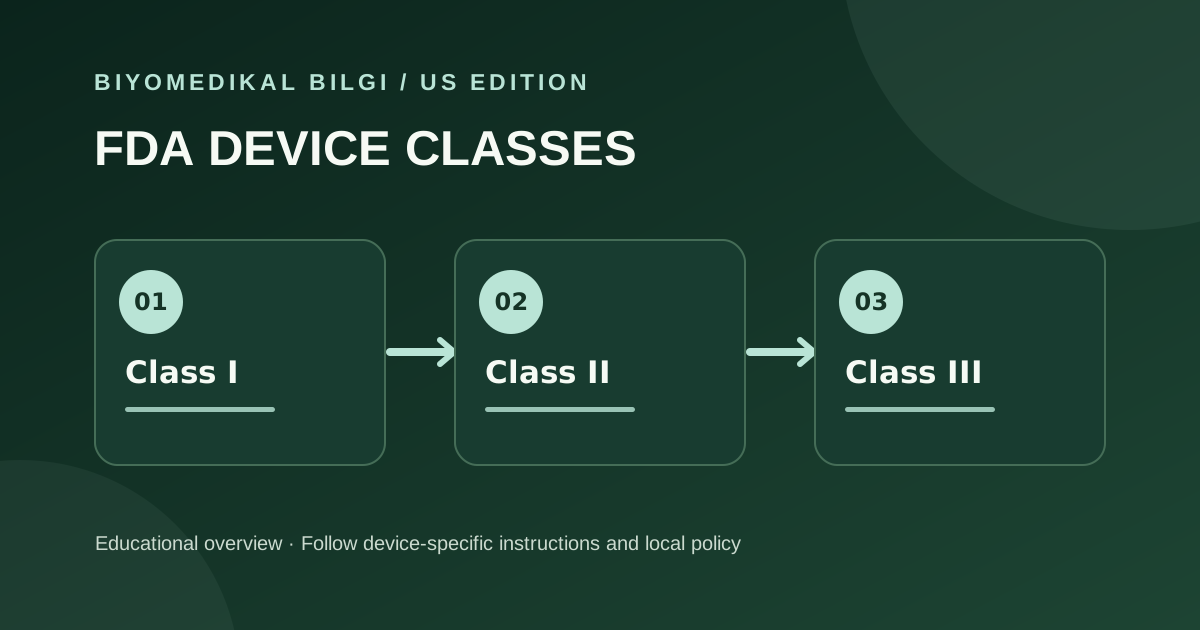
FDA places generic medical device types into Class I, II, or III based on the controls needed to provide reasonable assurance of safety and effectiveness. Classification affects regulatory pathways, but requirements must be checked for the specific product code and device.
Start with the product, not a nickname
Two products with a similar everyday name can have different intended uses or regulatory classifications. FDA organizes generic device types into medical specialty panels and product codes. Identify the intended use and look up the classification regulation before assuming a pathway.
What the three classes signal
Class I generally relies on general controls; Class II adds special controls where needed; Class III is associated with the highest level of regulatory control and commonly requires premarket approval. These are broad categories, not a substitute for reviewing the exact classification entry.
A practical lookup sequence
Confirm whether the product meets the device definition, search FDA’s classification information, check the product code and regulation, review exemptions and limitations, then verify the required premarket route. Regulatory teams should make the final determination for a product being marketed.
Do not confuse clearance and approval
A 510(k) substantial-equivalence decision is typically described as FDA clearance. Premarket approval is a different pathway. Public-facing copy should use the correct term for the actual device and FDA decision.
Practical decision aid
- Search the exact intended use and FDA product code; do not classify a device solely from a common product name or a reseller’s marketing category.
- Read the classification regulation and any exemption limits together. The class, special controls, and submission requirement are related but distinct questions.
- When writing about a specific product, cite its own FDA record and decision instead of generalizing from another device in the same broad class.
Primary sources
We reviewed the following original agency publications for this guide. Check the linked source for its latest version and any device-specific updates.
Educational technical information only. It does not replace a manufacturer service manual, hospital policy, regulatory advice, or a clinician’s judgment.
See an error? Request a correction.