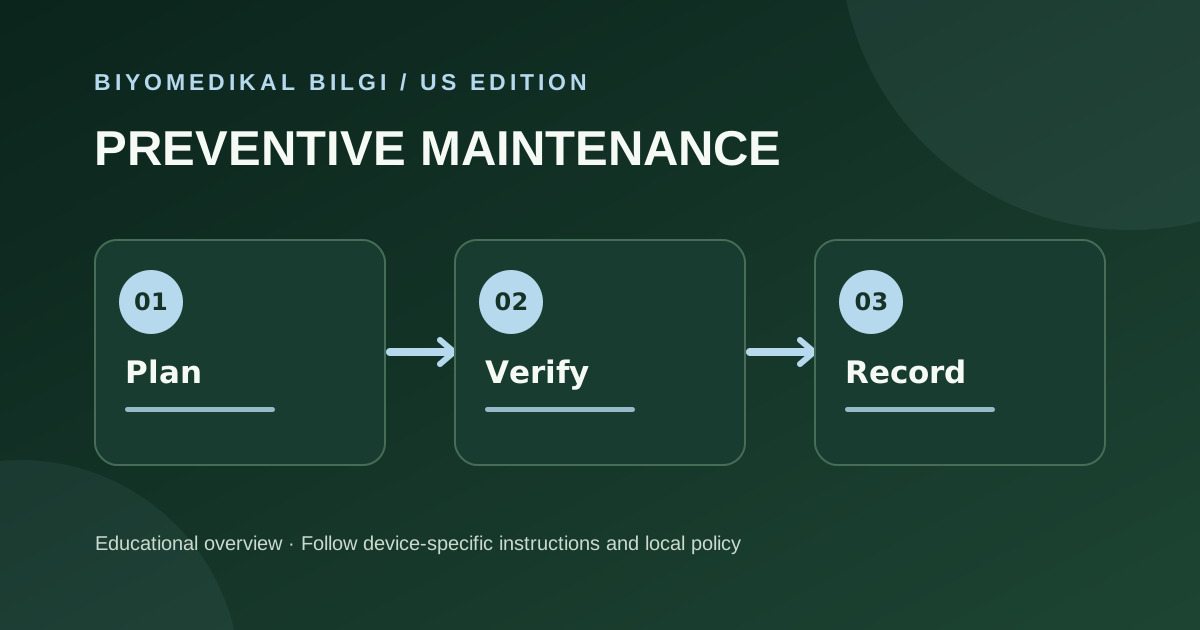
Preventive maintenance (PM) is planned inspection, testing, and servicing intended to keep medical equipment ready and identify problems before they interrupt care. A strong program connects each task to the correct device, instructions, risk, and service record.
Begin with the inventory
The inventory is the control point for a PM program. Record a unique asset identifier, manufacturer, model, serial number, location, owner, service status, and applicable maintenance plan. If these fields are inaccurate, even a carefully written procedure can be applied to the wrong device or missed entirely.
Set the correct procedure and interval
Manufacturer instructions are the starting point. A hospital may use an Alternate Equipment Management program only where applicable CMS conditions are met; some categories and circumstances have restrictions. A technician should not shorten or extend an interval simply because another hospital does so. The documented policy, qualified assessment, device history, and applicable rules govern the decision.
Record more than a completion checkbox
A useful PM record identifies who performed the work, the procedure version, date, test instruments, results, exceptions, corrective actions, and final disposition. If a unit fails, clearly separate it from ready-to-use stock and follow local escalation rules. Avoid recording protected patient information in routine asset notes.
Measure program performance
Track overdue high-risk equipment, repeat failures, unavailable parts, devices that cannot be located, and repairs following PM. Completion percentage alone can hide a poor inventory or a high repeat-failure rate. Review trends with clinical owners and change the process where the evidence warrants it.
Practical decision aid
- Before opening a work order, confirm the asset ID, location, configuration, and currently approved procedure. A correct test on the wrong configuration does not close the maintenance obligation.
- Record an as-found exception before repair or adjustment. Without that record, a later reviewer may be unable to distinguish an existing fault from a successful final test.
- Review overdue work by risk and clinical availability, not only by the number of open tickets. A low-risk backlog and an unavailable high-risk device should not be treated as equivalent.
Primary sources
We reviewed the following original agency publications for this guide. Check the linked source for its latest version and any device-specific updates.
Educational technical information only. It does not replace a manufacturer service manual, hospital policy, regulatory advice, or a clinician’s judgment.
See an error? Request a correction.