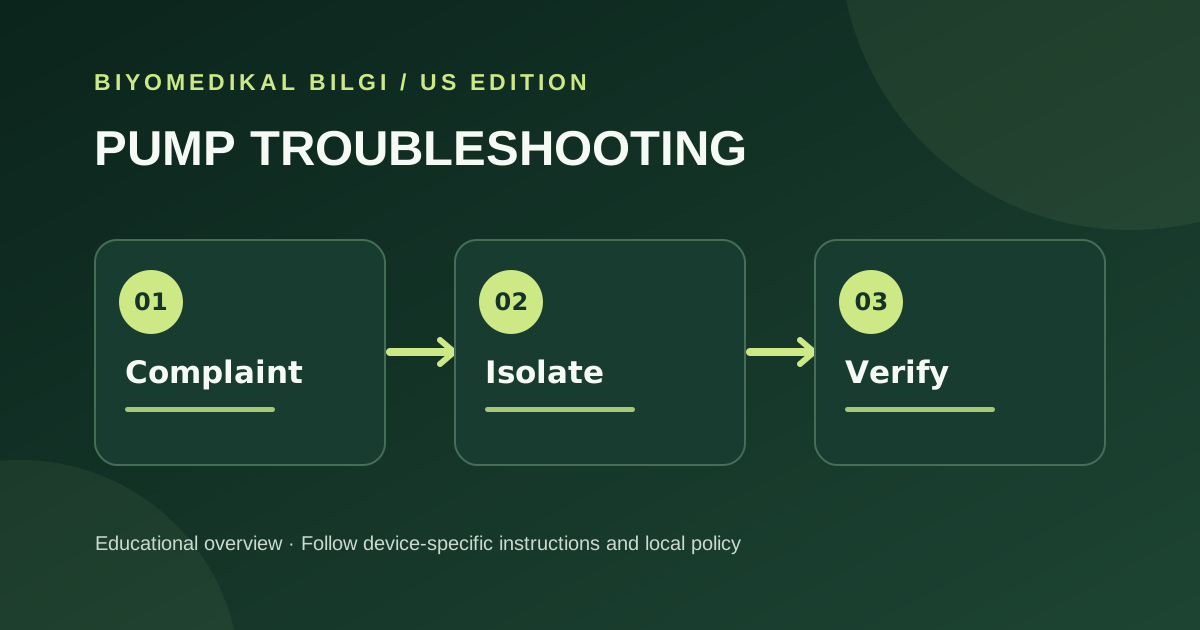
When an infusion pump is reported faulty, remove the device from clinical use according to local policy, preserve the reported symptoms, and use the manufacturer’s service instructions for testing. The complaint may involve software, alarms, mechanics, battery, or the user interface.
Separate the complaint from the diagnosis
“Pump stopped” is a clinical observation, not a component-level diagnosis. Capture the complete event context: displayed message, therapy phase, accessories, power source, recent maintenance, software revision, and whether an event log is available. If the issue affected or could affect a patient, follow the facility’s safety and reporting process immediately.
Check the known risk categories
The FDA’s reported examples describe software errors, missed or false alarms, confusing controls, broken housings, battery problems, and electrical hazards. This list guides evidence collection. It is not a shortcut around model-specific testing, and it should not be used to bypass an alarm.
Work within an approved service workflow
Verify device identity and applicable recall or field action status. Use authorized accessories and the manufacturer’s current procedure; document as-found and as-left results. Repairs, firmware changes, and return-to-service decisions need the permissions and training specified by the organization.
Close the loop
If a defect is confirmed, document the corrective action and communicate it to the clinical owner. If no fault is reproduced, document the test conditions and limits of that conclusion. FDA provides a route for reporting suspected pump problems through MedWatch; mandatory obligations differ by organization.
Practical decision aid
- Record the complaint in the reporter’s words before assigning a fault category. This protects evidence that could be lost when an event is translated too early into a presumed component failure.
- Preserve logs and affected accessories where policy permits. Do not alter firmware, erase logs, or discard a set before the relevant safety and reporting teams have assessed the event.
- If the fault cannot be reproduced, document test conditions and what was not tested. “No fault found” should not be interpreted as proof that the reported event never occurred.
Primary sources
We reviewed the following original agency publications for this guide. Check the linked source for its latest version and any device-specific updates.
Educational technical information only. It does not replace a manufacturer service manual, hospital policy, regulatory advice, or a clinician’s judgment.
See an error? Request a correction.